
The tennis bracelet has a rich history, intertwining elegance with moments of athletic prowess. Initially called the "eternity bracelet," its name transformation was marked by a pivotal event in 1987.
This jewelry piece, characterized by its continuous line of diamonds or gemstones, has evolved considerably over the decades.
Its craftsmanship and emotional significance invite deeper exploration into its status as a timeless fashion statement. What stories lie behind its enduring appeal?
The tennis bracelet, a symbol of elegance and sophistication, traces its origins to the 1980s when it gained prominence during a famous incident at the US Open. Initially called an "eternity bracelet," this piece of jewelry features a continuous line of diamonds or gemstones, signifying unending love and commitment.
It was designed to be both fashionable and functional, allowing for ease of movement, which appealed to athletes and fashion enthusiasts alike. The bracelet's rise to fame was propelled by its association with professional tennis players, who began wearing it during matches.
Crafted with a flexible design, it provided comfort without sacrificing style. The tennis bracelet quickly shifted from the sports arena to everyday fashion, becoming a staple accessory for many. Its timeless appeal continues to resonate, making it a popular choice for special occasions and casual outings alike, embodying the intersection of sport and luxury.
Chris Evert's on-court fashion choices became a defining aspect of her tennis career, blending athleticism with elegance. Known for her stylish ensembles, Evert often donned classic, yet modern attire that resonated with fans and players alike.
The combination of pleated skirts, fitted tops, and signature headbands set a new standard for female athletes, emphasizing both performance and personal style. Evert's wardrobe selections included vibrant colors and luxurious fabrics, reflecting her personality while adhering to the sport's decorum.
The iconic moment when she sported a diamond tennis bracelet during a pivotal match not only showcased her flair for fashion but also highlighted the intersection of sport and sophistication. Evert's influence extended beyond the court, inspiring future generations of athletes.
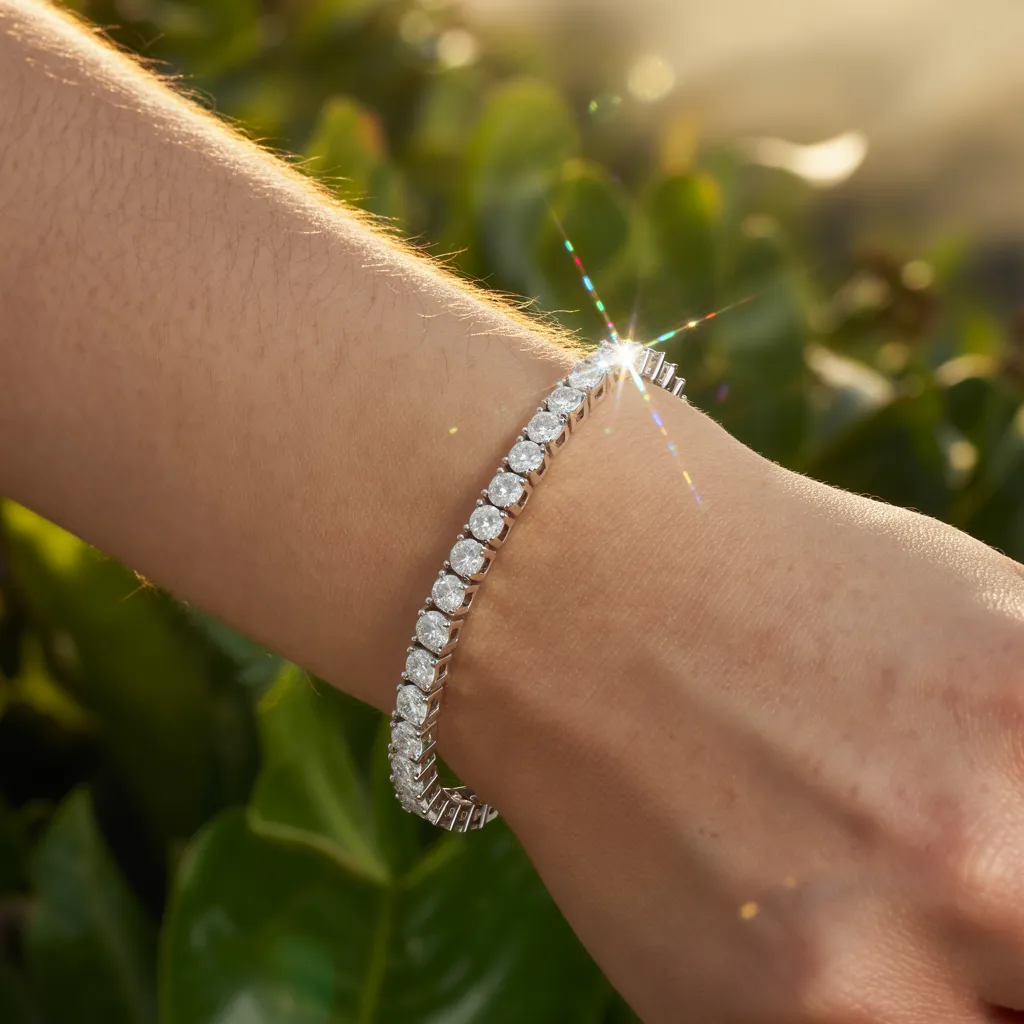
A pivotal moment in tennis history was marked by Chris Evert's iconic match, where her diamond tennis bracelet became a symbol of emotional significance. During the 1987 U.S. Open, Evert's bracelet slipped off mid-match, prompting her opponent to pause the game and retrieve it.
This incident transformed the bracelet into a representation of personal connection and vulnerability, reflecting the emotional weight athletes often carry. The gesture underscored sportsmanship and camaraderie, elevating the bracelet beyond mere jewelry.
Evert's attachment to the piece highlighted how personal artifacts can resonate deeply with athletes, intertwining their identities with their performance. Therefore, the tennis bracelet emerged not only as a fashion statement but also as a poignant reminder of the emotional journeys athletes undertake.
The iconic moment of Chris Evert's diamond tennis bracelet slipping off during the 1987 U.S. Open profoundly altered the perception of the tennis bracelet in jewelry culture. This unexpected incident not only captured the attention of spectators but also solidified the bracelet's association with elegance and high fashion.
Subsequently, the tennis bracelet transcended its initial sporting context, becoming a staple accessory in fine jewelry. The incident sparked a surge in popularity, encouraging designers to create variations that appealed to a broader audience.
Evert's bracelet became a symbol of grace and sophistication, influencing countless women to embrace this style. Today, the tennis bracelet remains an enduring emblem of luxury, firmly establishing its lasting impact on the world of jewelry.
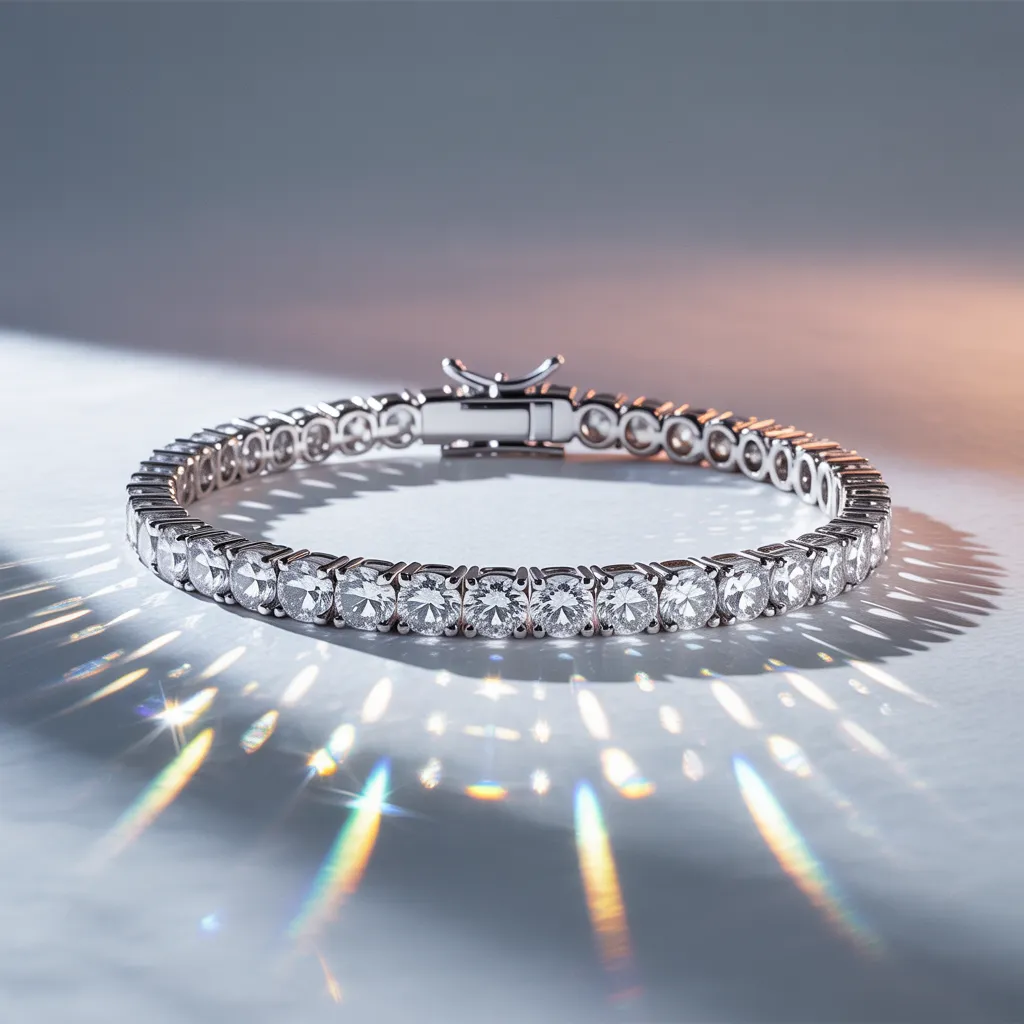
Tennis bracelets, known for their elegant and flexible design, derive their name from a memorable incident during the 1987 US Open. During a match, tennis star Chris Evert lost her diamond bracelet on the court, prompting a pause in the game while she searched for it.
The incident captured public attention, leading to the bracelet's association with the sport. Originally, these bracelets were simply referred to as "line bracelets" due to their symmetrical arrangement of gemstones.
However, following Evert's mishap, the term "tennis bracelet" became widely adopted. This name not only reflects the bracelet's stylish appeal but also ties it to a significant moment in sports history, enhancing its allure in the world of jewelry.
Over the years, tennis bracelets have undergone significant design variations, reflecting changing tastes and trends in the jewelry market. Initially characterized by a simple line of diamonds set in a single row, contemporary designs have expanded to incorporate various gemstones, metals, and intricate settings.
The traditional platinum and gold settings now coexist with modern materials, such as titanium and rose gold, appealing to diverse styles. Additionally, the introduction of adjustable clasps and innovative designs has enhanced comfort and wearability.
The evolution of the tennis bracelet has also seen the rise of personalized options, allowing wearers to customize their pieces with initials or meaningful symbols. As a result, the tennis bracelet remains a timeless yet adaptable accessory in the world of fine jewelry.
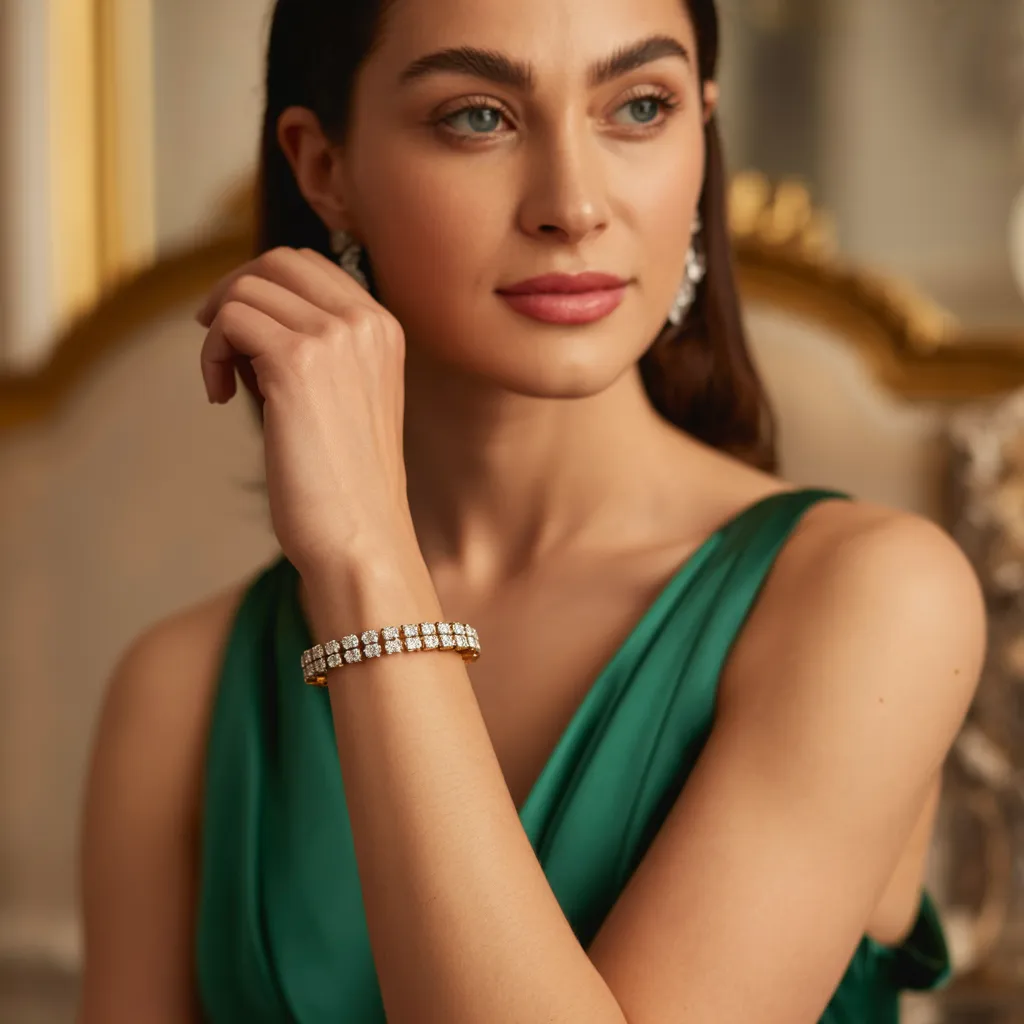
Tennis bracelets are ideal for formal events, weddings, and special celebrations. They can also enhance everyday outfits, adding a touch of elegance to casual gatherings or date nights, making them versatile jewelry for various occasions.
To determine the size of a tennis bracelet, one should measure the wrist circumference and add a half inch to one inch for comfort. Alternatively, trying on different sizes can help find the perfect fit.
Tennis bracelets typically range in price from $1,000 to $10,000, depending on factors such as materials, size, and craftsmanship. High-end designer pieces can exceed this range, appealing to luxury jewelry enthusiasts.